N.O.Body
Pauline Boudry / Renate Lorenz
Installation with film (16 mm. /DVD 15 min) and
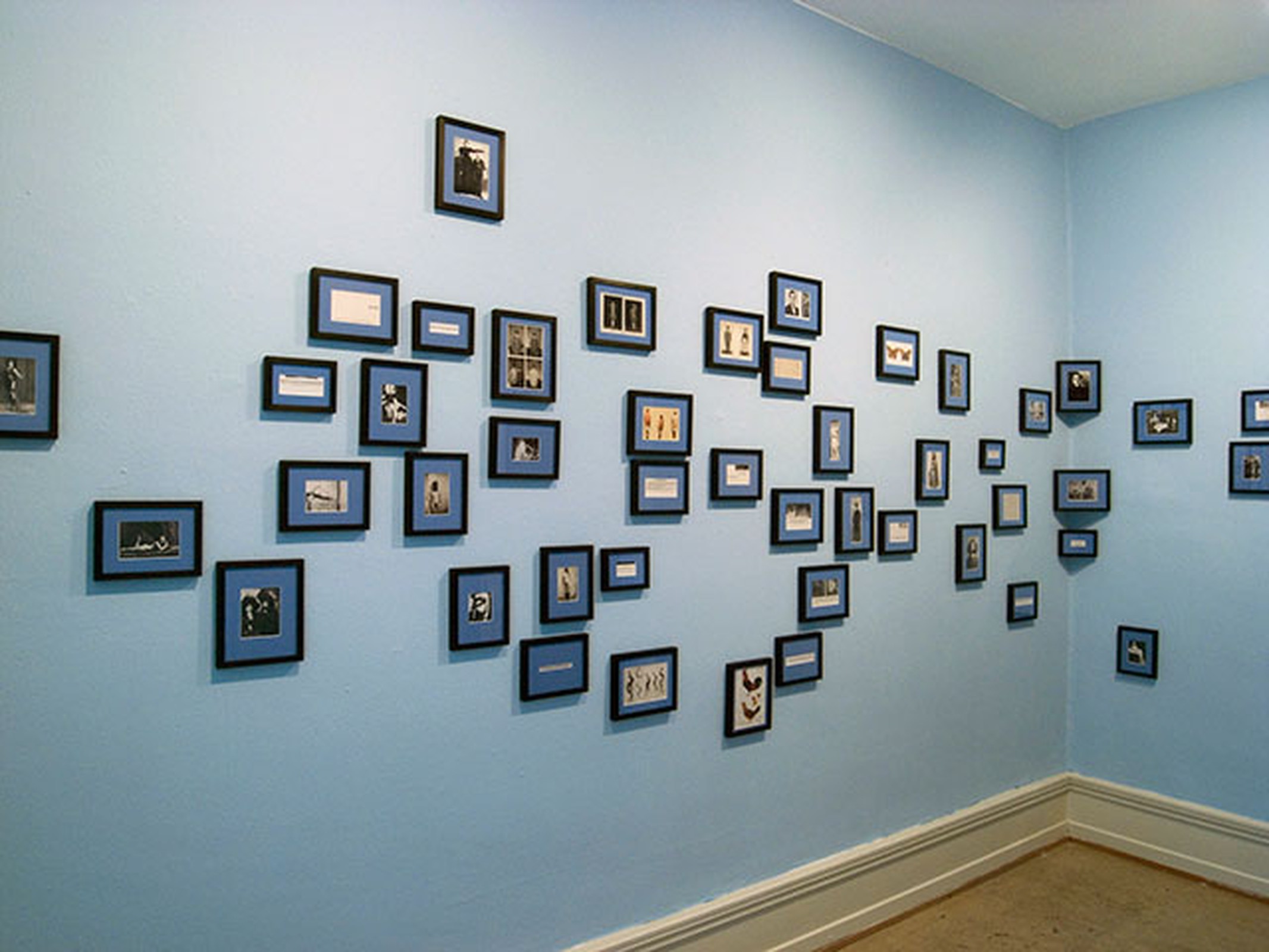
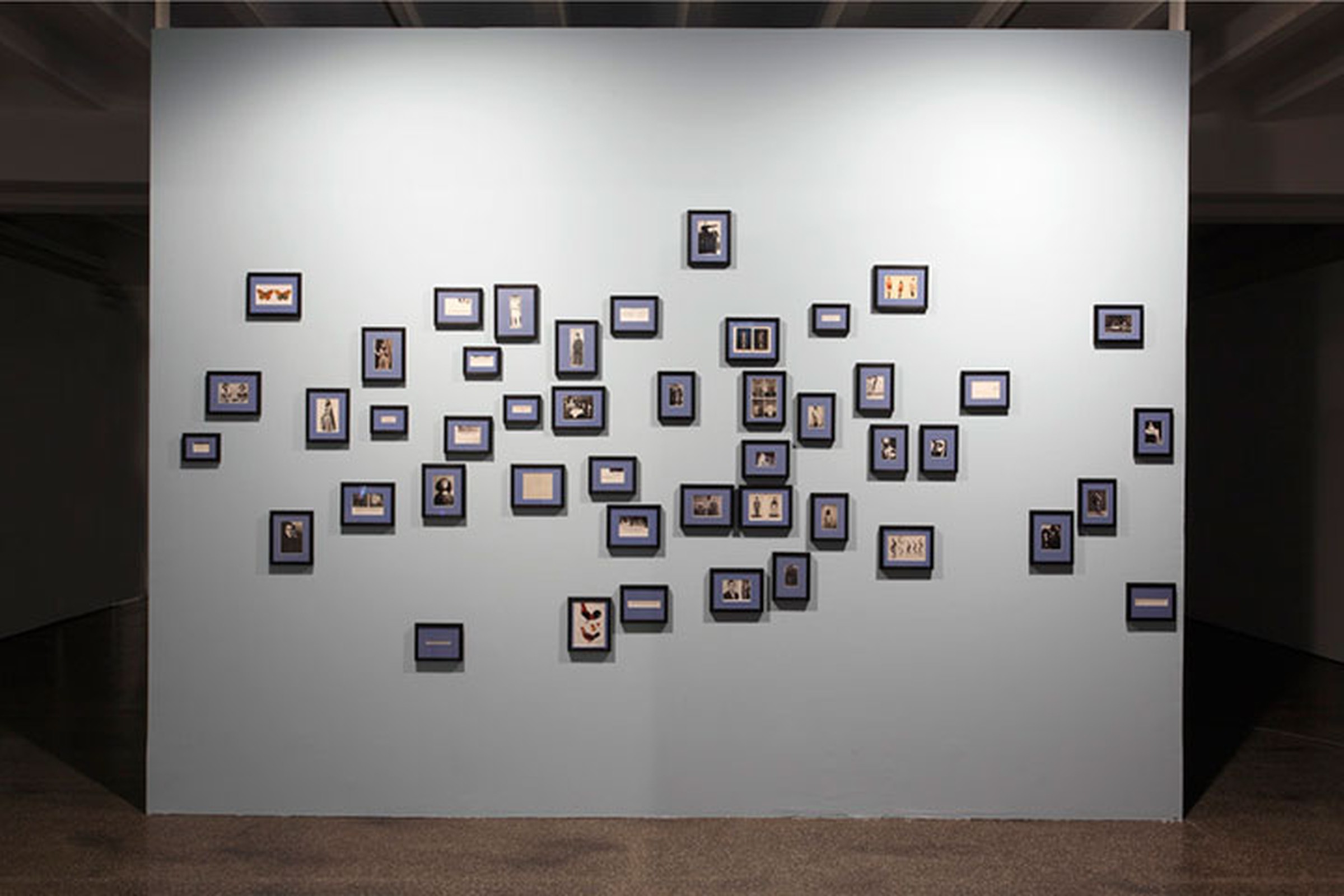
47 photographs, 2008
Performer: Werner Hirsch
“Laughing speaks the unofficial truth, and this is in a system that stabilizes–through differentiation, opposi- tion, and hierarchization–the ambivalence of things in part produced by it, but also disguised by it. Laughing resides in the margins and border regions of a social apparatus of power by reintroducing the rejected and the taboo.” (Linda Hentschel)
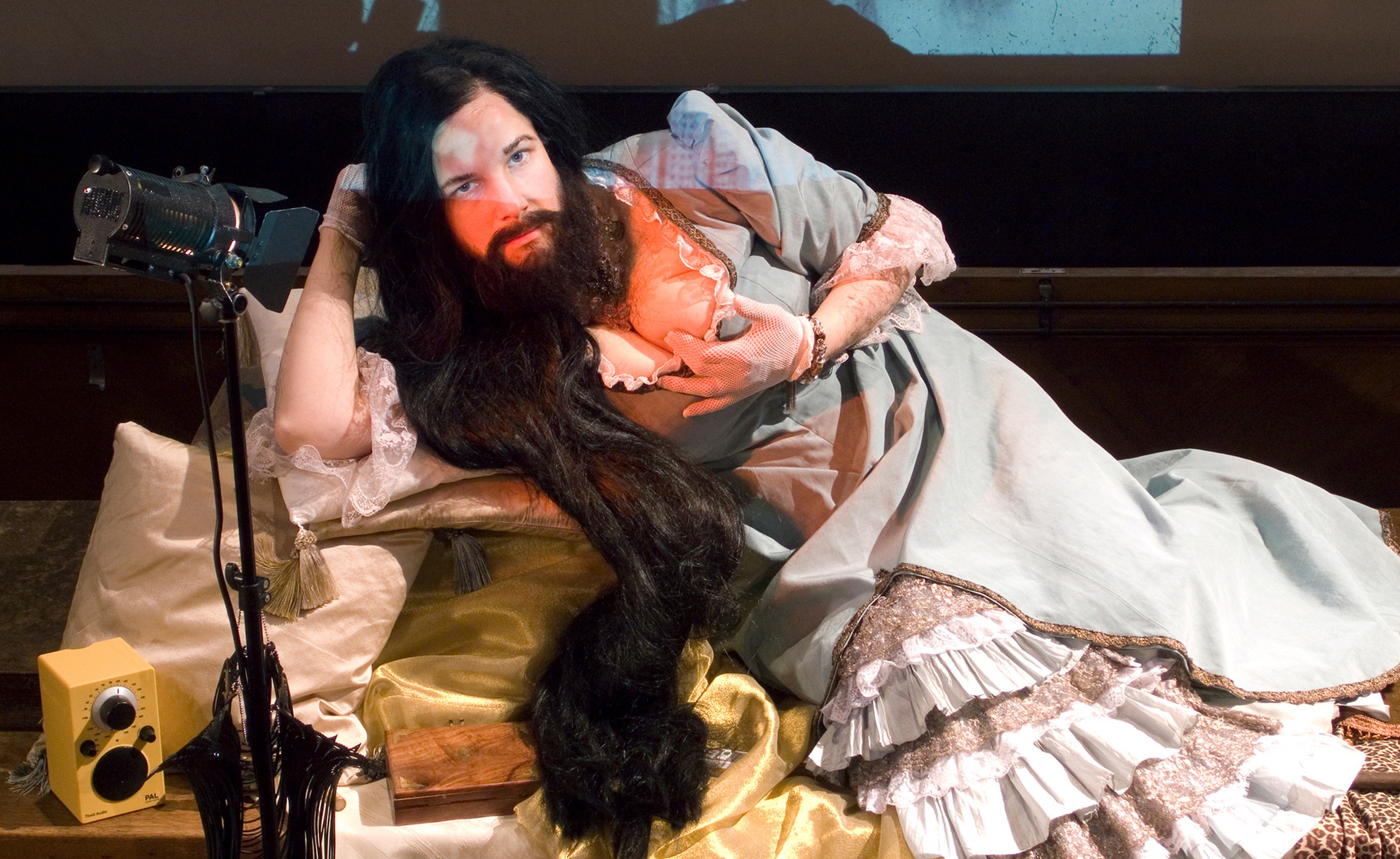
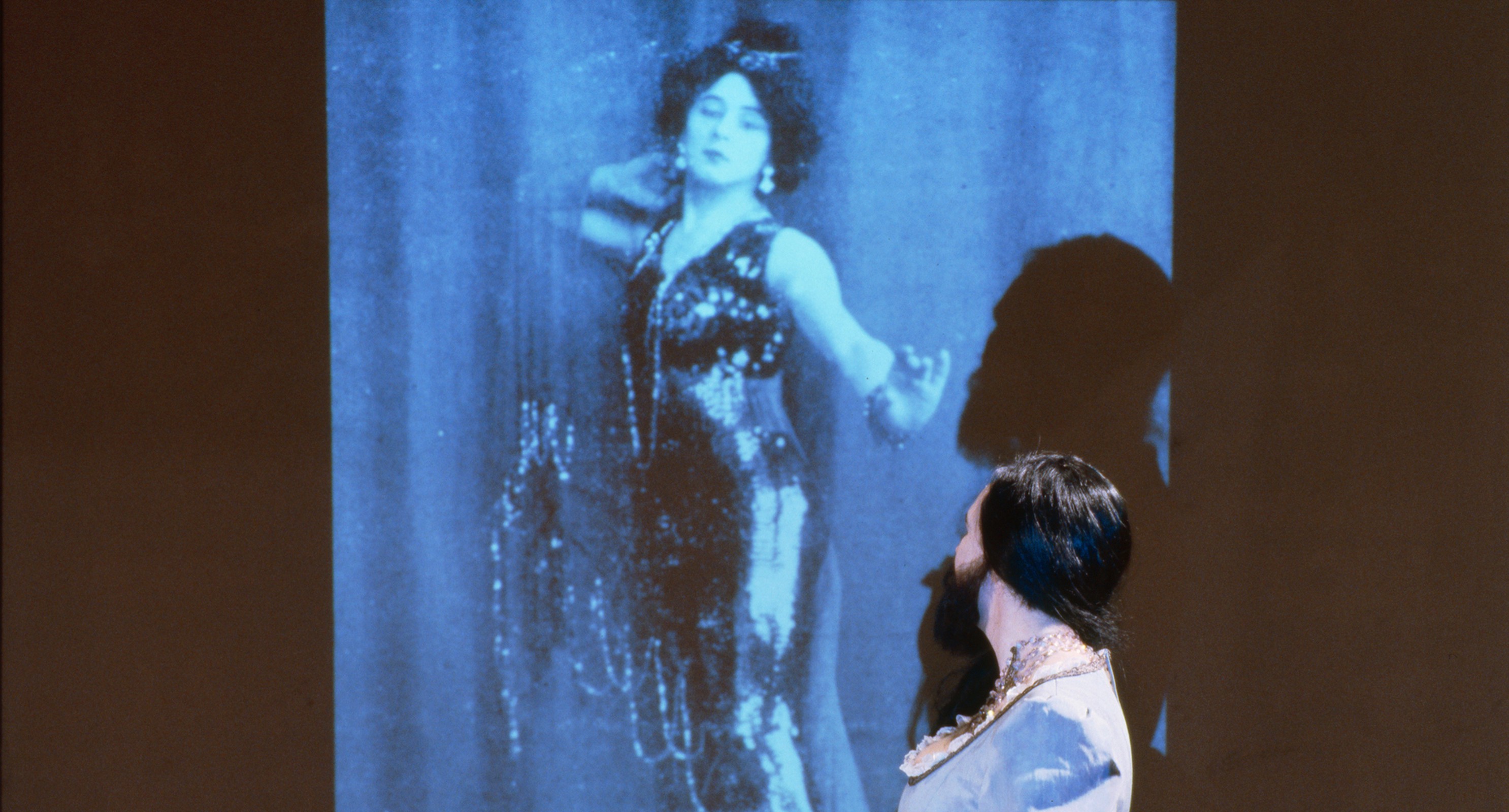
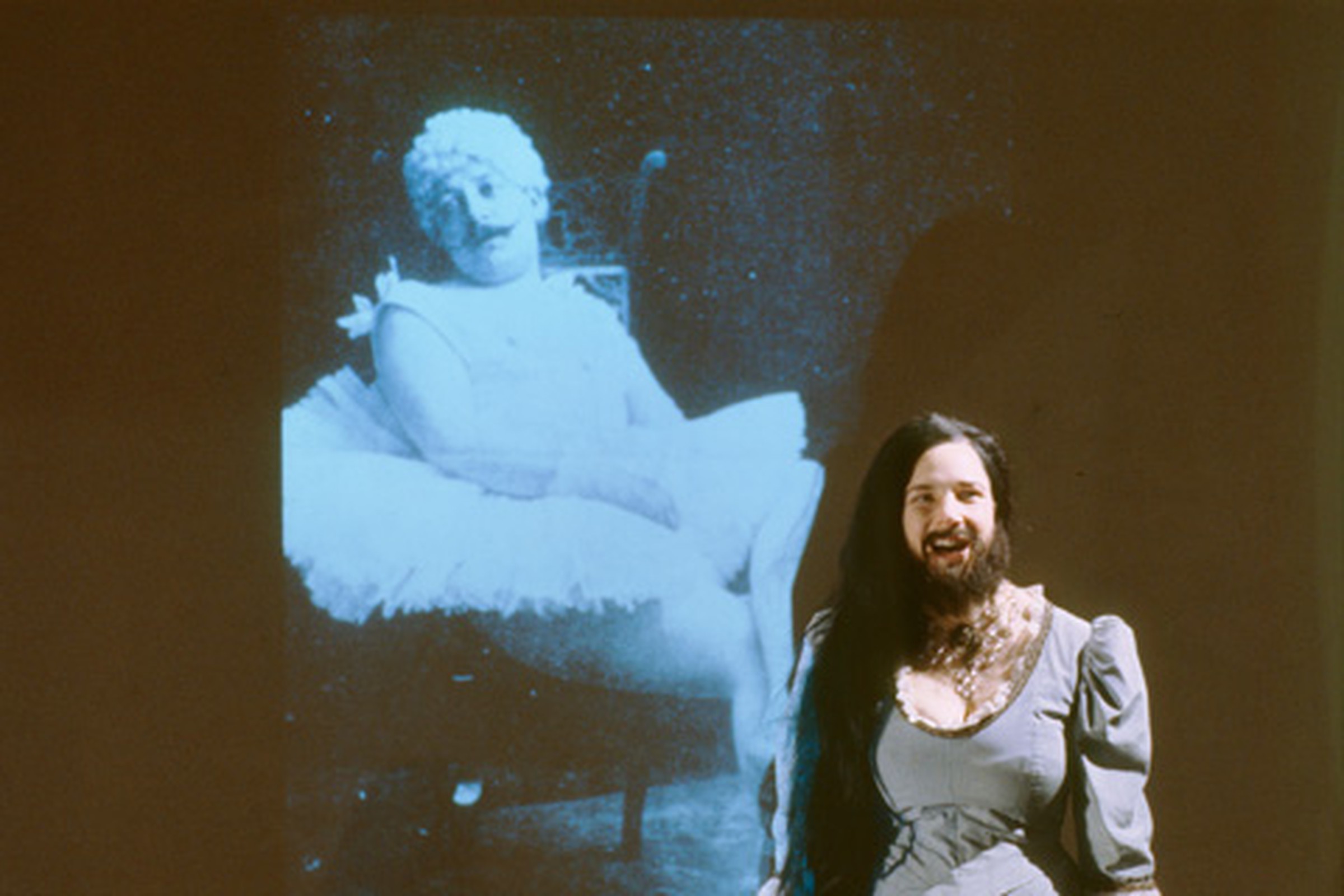
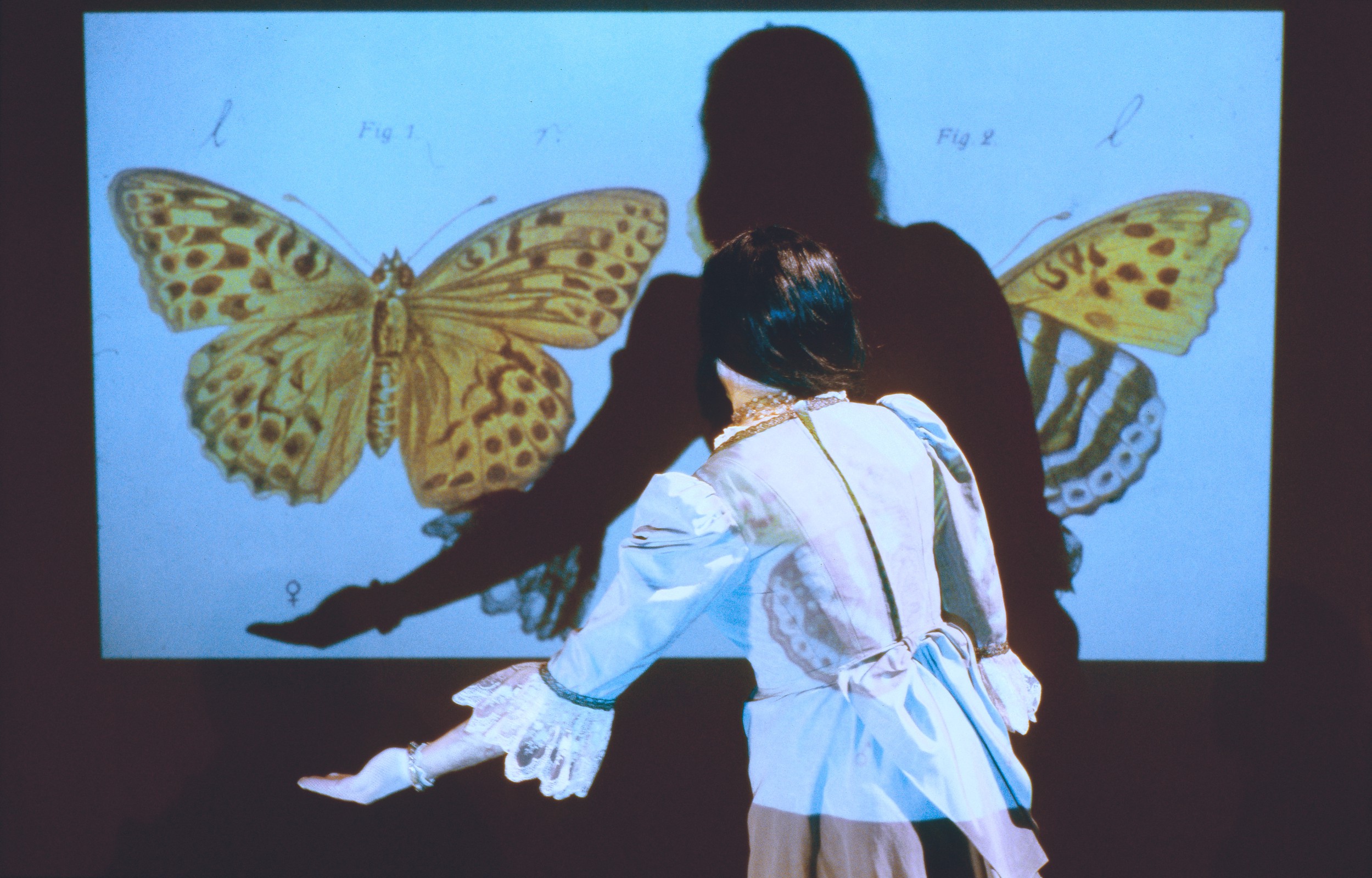
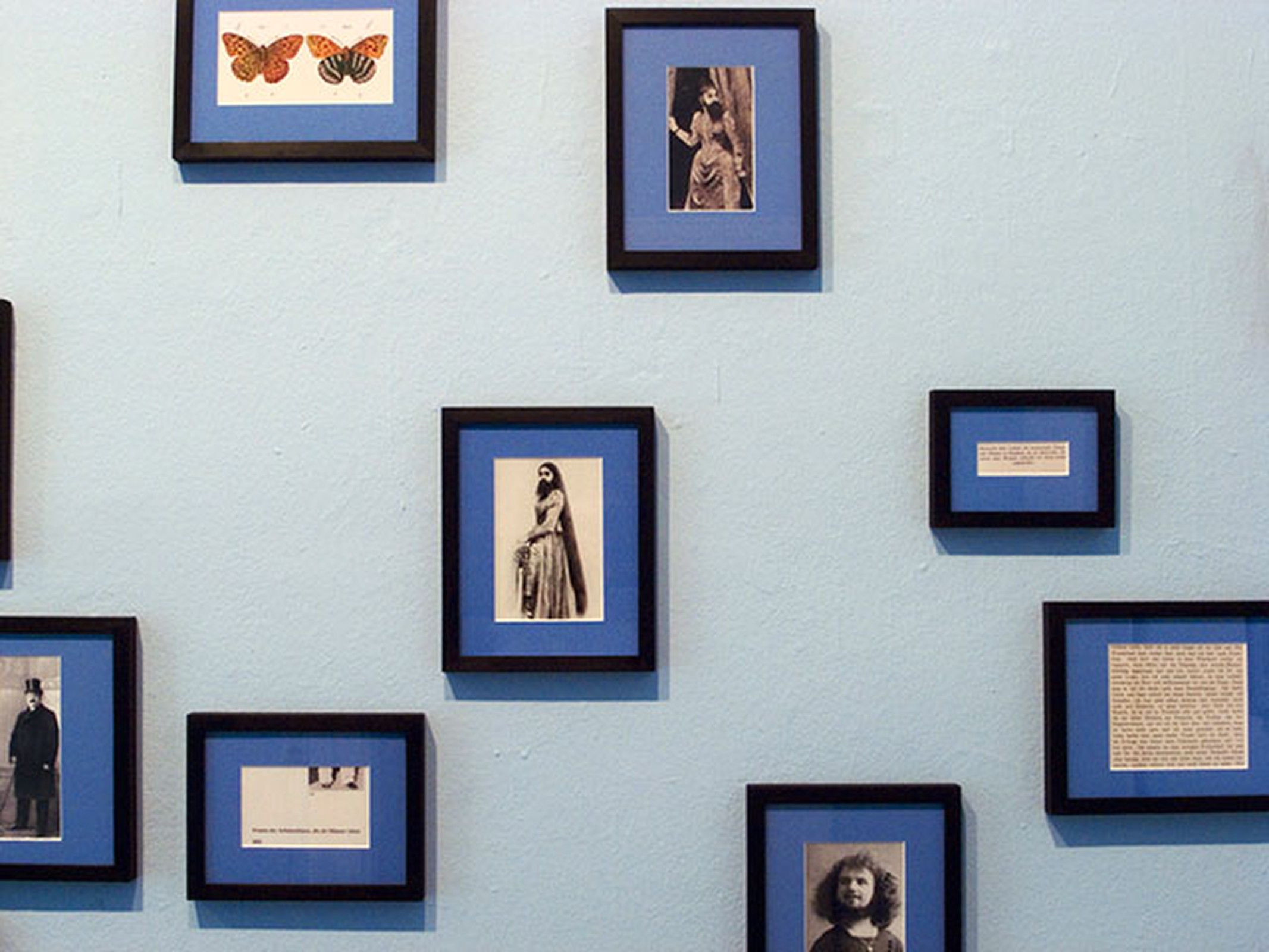
Film and installation ‘N.O.Body’ are the products of research on Magnus Hirschfeld’s sex theory, the so-called ‘transition theory’ (‘Zwischenstufentheorie’). Hirschfeld assumed that masculinity and femininity were only ideals, unachievable by anyone, and that all individual bodies could be placed somewhere between these two ideals. Magnus Hirschfeld published another, thicker volume along with his book on sexology: ‘Sexology, Pictures’ (published 1930). In more than 800 pages, this book exclusively shows photographs and drawings, of people in drag, of crossdressers who ‘pass’ in the clothes of the other gender, of fetishists and SM scenarios, of gender ambiguity and the clothing that goes along with it, of uniform fetishes, same-sex couples, or even animals that are called ‘intersex’ (‘Zwitter’). Magnus Hirschfeld used all these images as visual records of his theory of gender. Photographs assumed great value for him in communicating his theories and their evidence. Hirschfeld’s scholarly lectures were usually accompanied by a slide presentation.
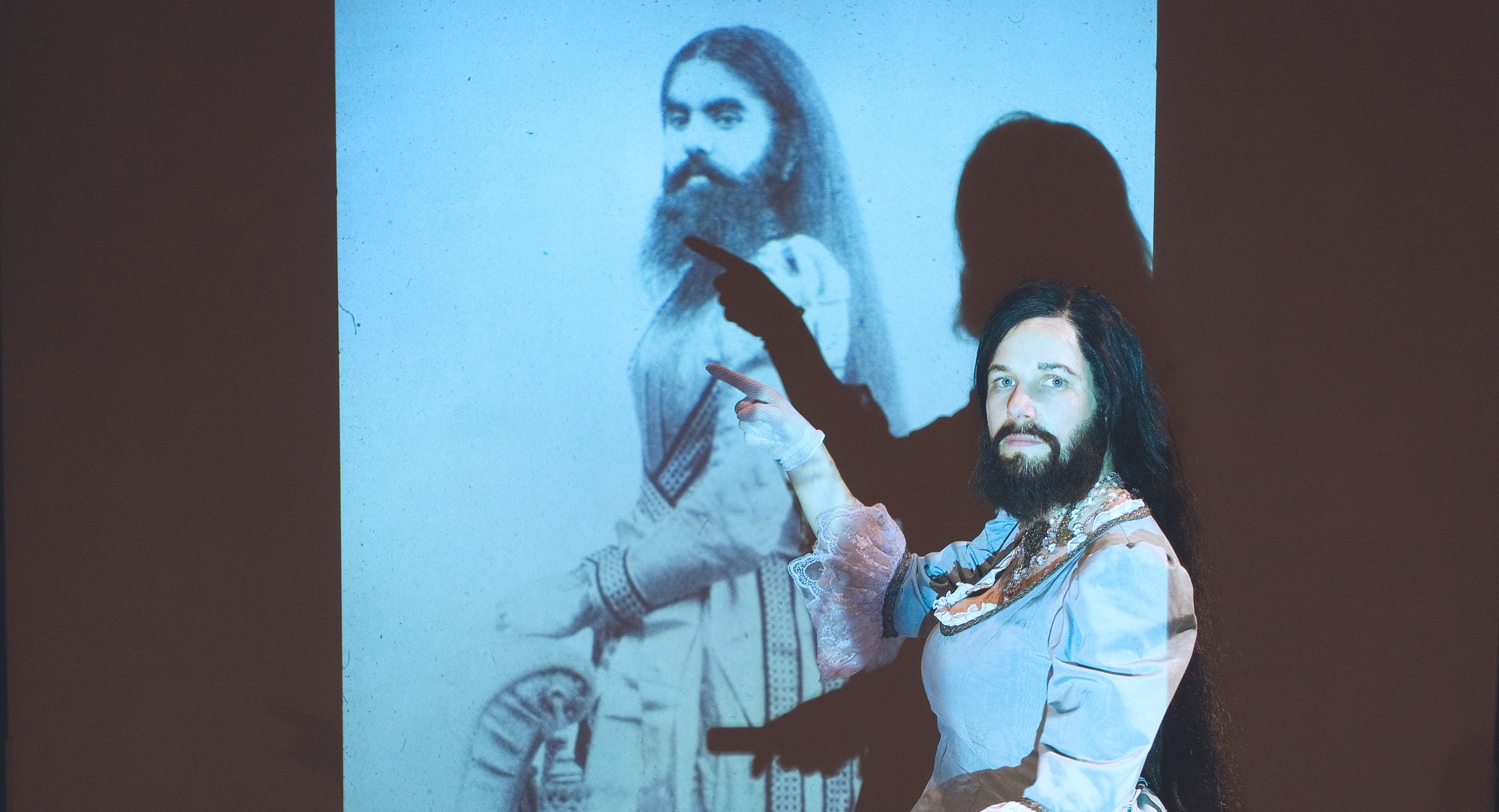
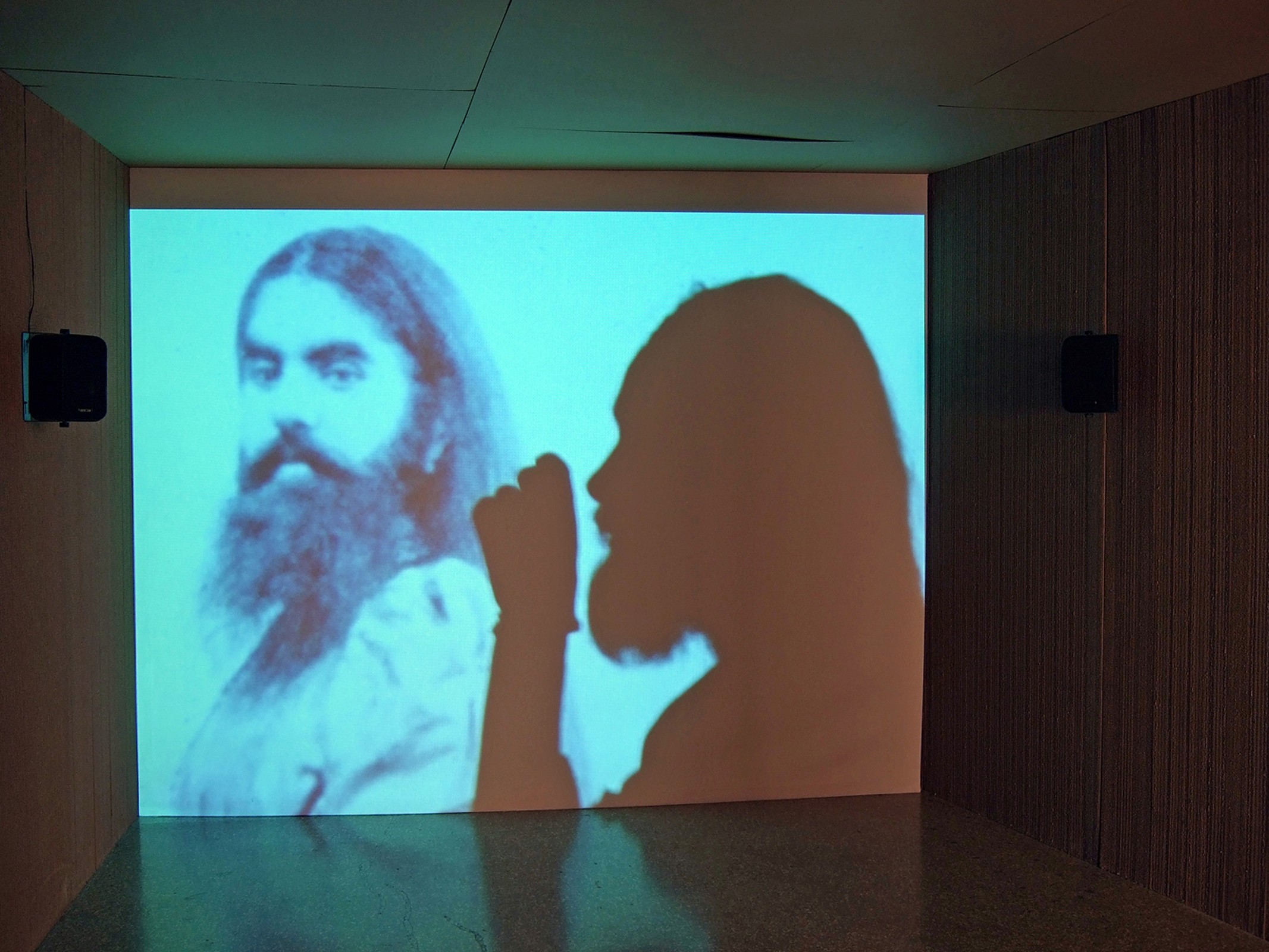
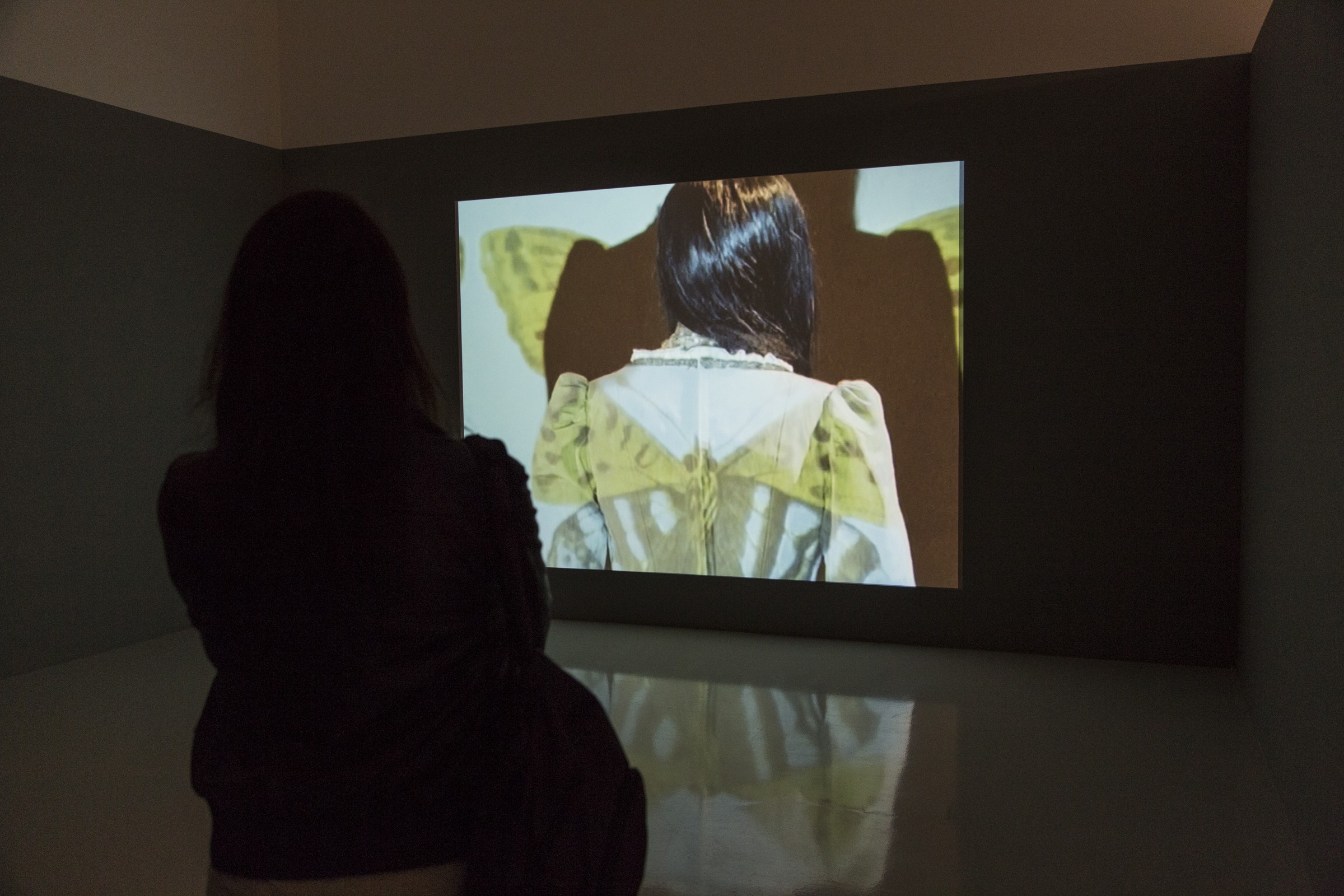
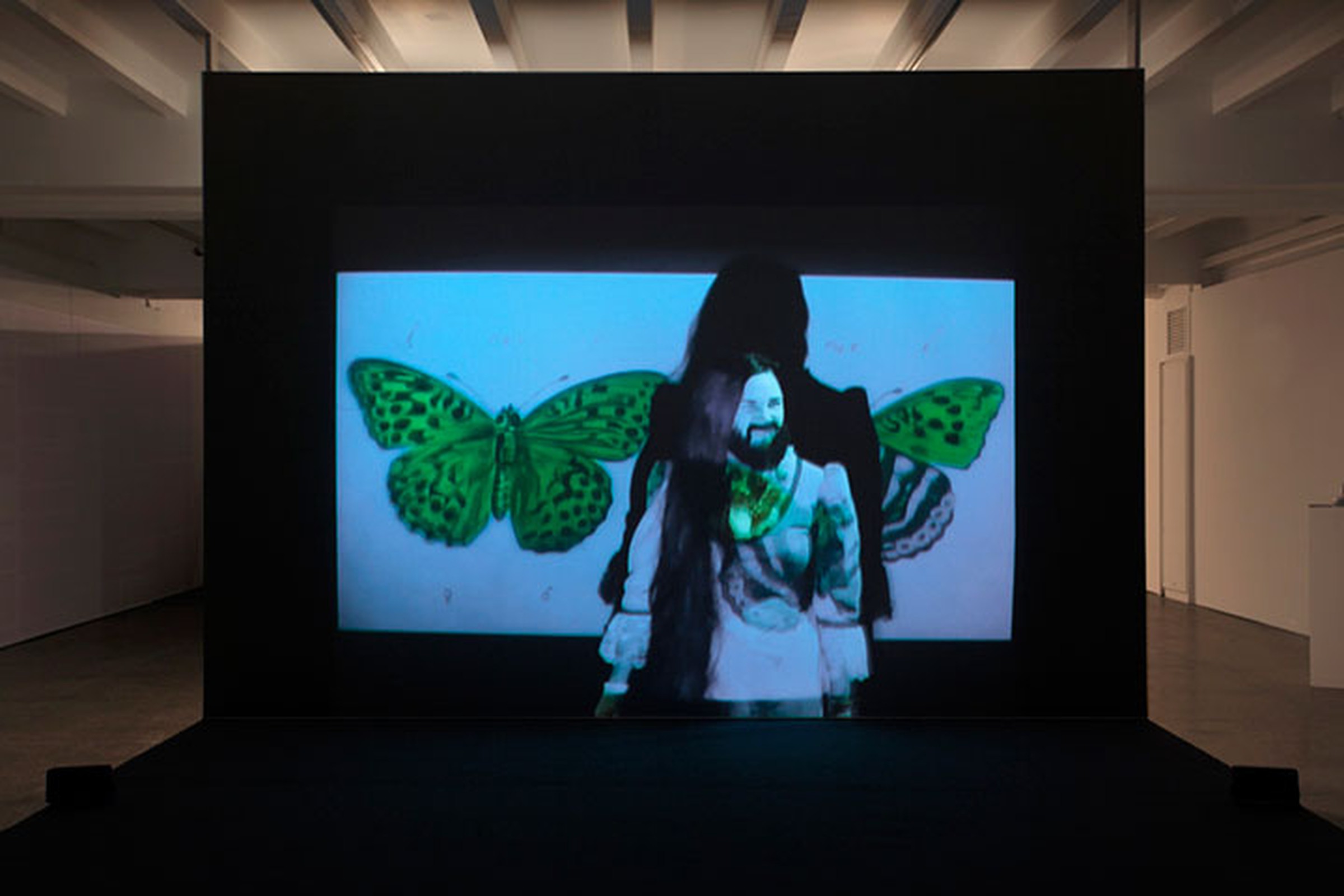
The film reenacts a photograph of the ‘bearded lady’ Annie Jones (1865 – 1902). She lived in the USA and was one of the most famous bearded ladies of her time. Her face was already covered with hair when she was only nine months old, when she was put under contract by the Barnum Circus and presented in a museum as a ‘freak.’ She toured throughout the USA and all over Europe, first with the Barnum Circus and then later with her own show. The photograph of Annie Jones crosses through two different contexts. It travelled from the freak show in the Barnum Circus, whe- re she was presented as a ‘wonder’ (for a fee), to the medical theater, where she was shown in Hirschfeld’s book as a potential ‘patient.’ This transformation from ‘wonder’ to medical objectification indicates the increasing significance of modernity and enlightenment bringing along with it the story of a historical transformation in the representation and evaluation of difference.
The setting of the film N.O. Body is a nineteenth
century lecture hall in which the possible positions of the production
of knowledge are spatially organized – the central position of ‘the
professor,’ the large table, which introduces the object of interest,
the blackboard, on which knowledge is recorded, and the listeners,
sitting in rising rows of seats facing the scene of knowledge. But what
happens in the production of normality and deviance, asks the film N.O.
Body, if the ‘object of knowledge’ assumes the position of the producer
of knowledge, starts laughing and opens up the history of knowledge
production once again?
The image of an empty auditorium assigns a
position to the potential audience: N.O.bodies.
«Das Lachen spricht die nichtoffizielle Wahrheit, und diese ist in einem System, das sich über Differenzierung, Oppositionierung und Hierarchisierung stabilisiert, die von ihm mitproduzierte, jedoch verheimlichte Ambivalenz der Dinge. Lachen hält sich an den Rändern und Grenzen eines gesellschaftlichen Machtapparates auf, indem es das aus ihm Ausgeschlossene und Tabuisierte wieder einführt» (Linda Hentschel).
Der Film und die Installation ‚N.O. Body’ enstanden aus einer Recherche zur Arbeit Magnus Hirschfelds, der so genannten ‚Zwischenstufentheorie’. 1930 stellte er seiner Veröffentlichung zur Geschlechtskunde ein weiteres, dickeres Buch, zur Seite: ‚Geschlechtskunde, Bilderteil‘. Dieses Buch zeigt auf über 800 Seiten ausschließlich Photographien und Zeichnungen von Menschen in Drag, von welchen, die in den Kleidern des andern Geschlechts ‚passen’ / durchgehen, von Fetischist_innen und SM-Szenarien, von Uniformliebe, gleichgeschlechtlichen Paaren oder auch von Tieren, die als ‚Zwitter’ bezeichnet wurden. Photographie nahm für ihn einen großen Stellenwert hinsichtlich der Kommunikation seiner Theorien und ihrer Evidenz ein: Hirschfelds wissenschaftliche Vorträge waren gewöhnlich von einer Dia-Präsentation begleitet.
Der Film reinszeniert eine Photographie der ‚bearded lady‘ Annie Jones: Annie Jones lebte in den USA zwischen 1865 und 1902 und war eine der berühmtesten Bartdamen ihrer Zeit. Schon mit neun Monaten war ihr Gesicht mit Haaren bedeckt, sie wurde von Zirkus Barnum unter Vertrag genommen und als ‚Freak’ zunächst in einem Museum präsentiert. Diese Photographie von Annie Jones durchquerte zwei unterschiedliche Kontexte: Sie wanderte von der Freak Show im Zirkus Barnum, wo sie sich gegen Bezahlung als ‚Wunder’ oder als ‚verblüffend’ präsentierte, in das medizinische Theater, wo sie im Buch Hirschfelds als potentieller ‚Patient’ gezeigt wurde. Dieser Wandel vom ‚Wunder’ zur Objektivierung in der Medizin markiert zugleich das Wichtiger-Werden der Moderne und der Aufklärung. Die Photographie bewegte sich vom Freak-Diskurs in den medizinischen Diskurs und trug so die Geschichte einer historischen Veränderung in der Repräsentation und Abwertung von Differenz und der an sie geknüpften Praktiken mit sich.
Was geschieht in der Produktion von Normalität und Devianz, so fragt der Film N.O. Body, wenn das ‚Objekt des Wissens’ sich auch die Position der Wissensproduzent_in aneignet, zu lachen beginnt und die Geschichte der Wissensproduktion noch einmal aufrollt?
“Laughing speaks the unofficial truth, and this is
in a system that stabilizes–through differentiation, opposition, and
hierarchization–the ambivalence of things in part produced by it, but
also disguised by it. Laughing resides in the margins and border regions
of a social apparatus of power by reintroducing the rejected and the
taboo.”
(Linda Hentschel)
Le film et l’installation „N.O.Body“ sont le fruit d’une recherche sur le travail de Magnus Hirschfeld et sur sa théorie des sexes intermédiaires. En 1930, outre son livre sur la sexologie, il édite: « Sexologie, images ». Ce livre compte 800 pages entièrement remplies de personnes en drag, de personnes témoignant d’un sexe ambigu, dont certaines dans les habits d’un sexe se font passer pour l’autre sexe, de fétichistes et scénarios SM, de fétichistes en uniformes, de couples de même sexe et même d’animaux considérés comme hermaphrodites. La photographie occupait une place prépondérante dans la diffusion de ses théories et la démonstration de leur évidence : les conférences de Hirschfeld étaient en général accompagnées d’une présentation de diapositives.
Le film (re)met en scène une photographie de la « femme à barbe » Annie Jones, qui vécut aux USA entre 1865 et 1902, et fut une des femmes à barbes les plus connues de son temps. A neuf mois déjà, son visage était velu. Le cirque Barnum la découvrit et l’engagea par contrat en tant que «freak», il l’exhibait dans un musée. Cette photographie de Annie Jones a nourri deux courants différents: Le Freak Show du cirque Barnum, où elle se présentait contre de l’argent comme un source d’«émerveillement» ou de «stupéfaction», et le théâtre médical. Le livre de Hirschfeld par exemple la montrait comme une «patiente» potentielle. Ce passage du « merveilleux» à une objectivation atteste de la modernité avec l’importance croissante des sciences. La photographie passe de la démonstration des freaks au discours médical, et raconte l’histoire d’une transition dans la représentation et la dévalorisation de la différence.
La question que pose le film N.O.Body est la suivante : que résulte-t-il du lien entre la normalité et la déviance quand l’objet étudié se met dans la peau du scientifique et, se mettant à rire, fait se redérouler l’histoire, à partir de sa position inversée?
Informations on the film:
Film Material: 16 mm. / DVD
Length: 15 Min. Loop
Camera: Bernadette Paassen
Sound: Karin Michalski
Sound Design: Rashad Becker
Information on photographs:
Reproduced from: Magnus Hirschfeld, 'Geschlechtskunde, Bilderteil', Berlin 1930
Download Text:
Lorenz, Boudry - Lachen über N.O.Body (dt.)
Lorenz, Boudry - To laugh about N.O.Body (en.)